

01 / SPLIT
SPLIT
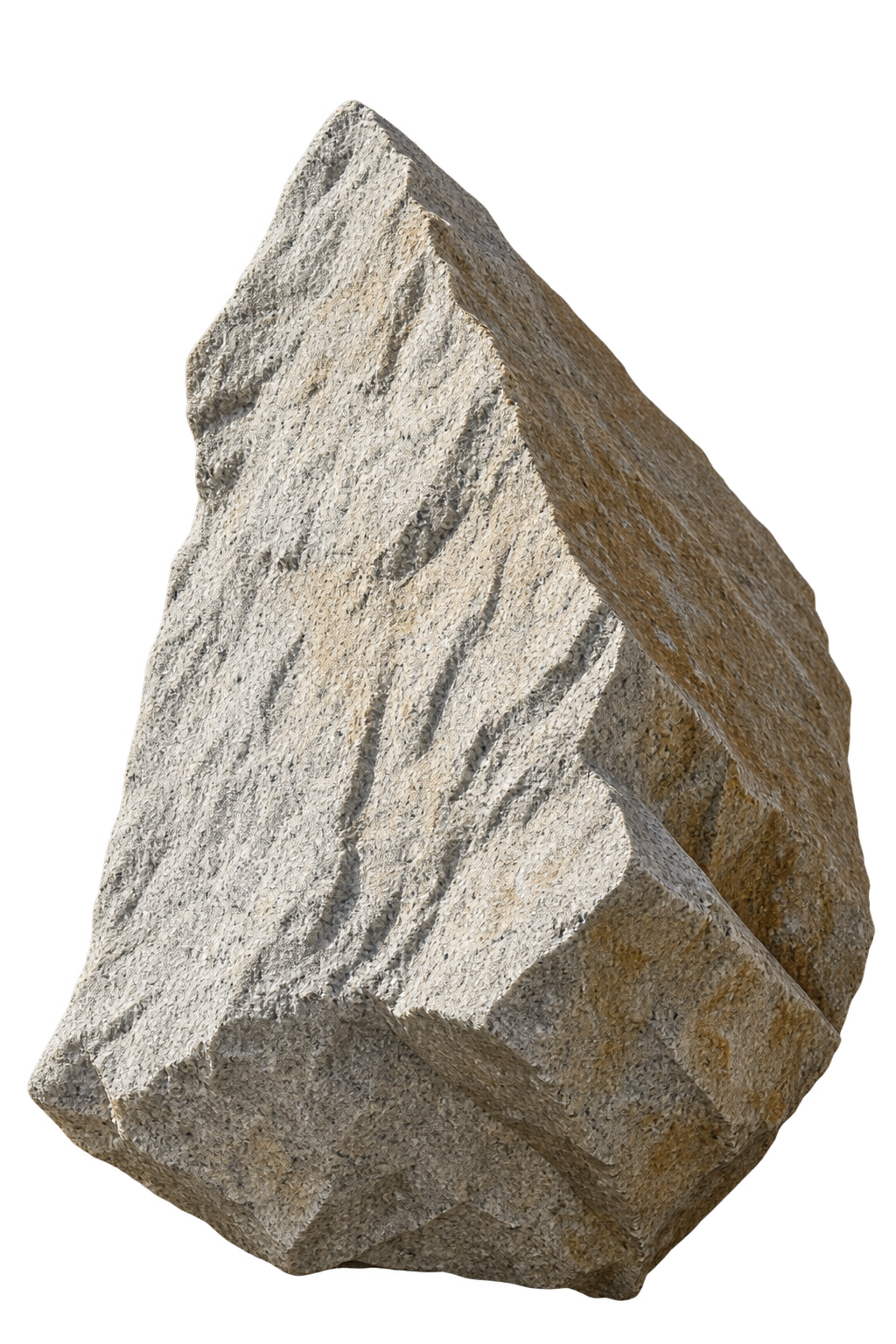
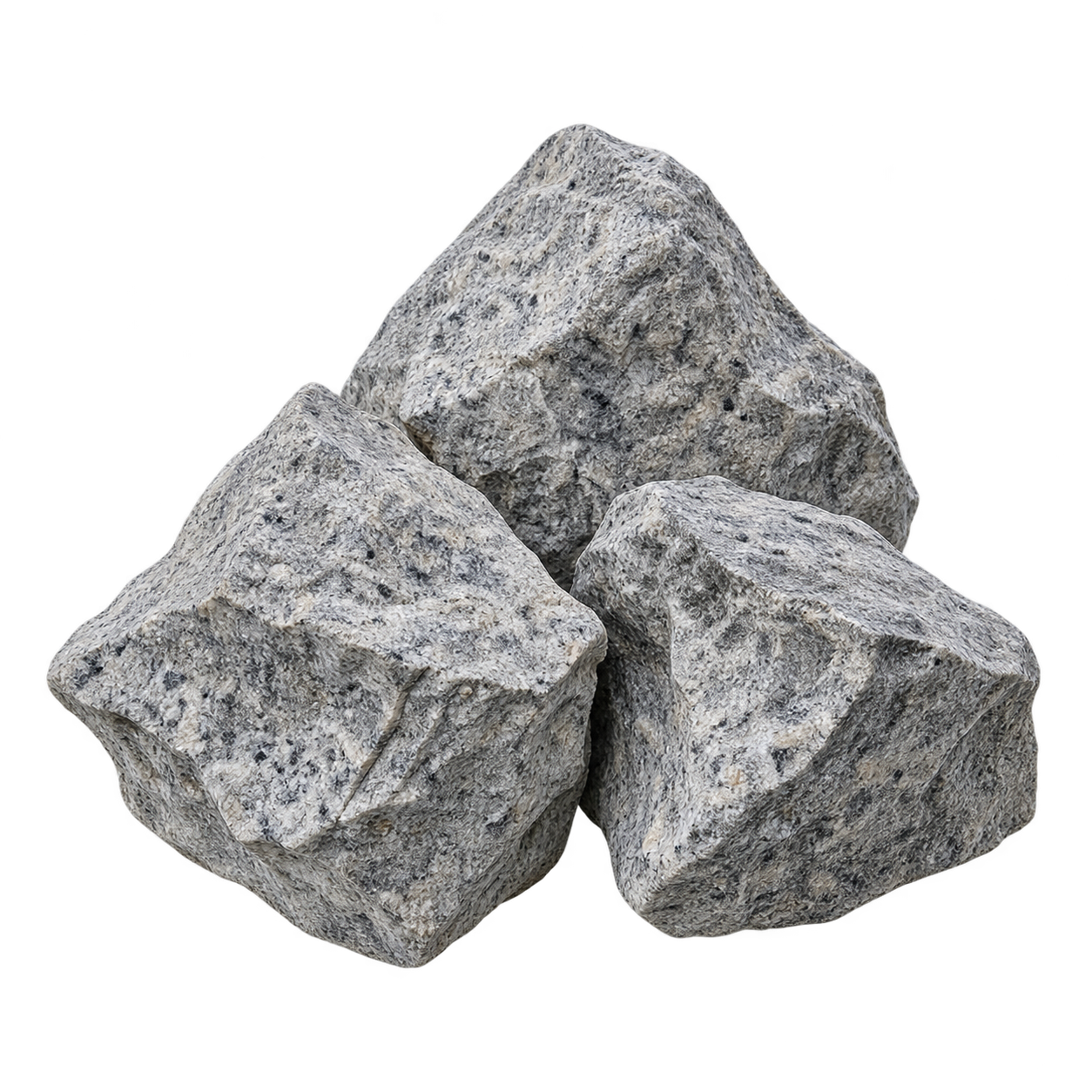
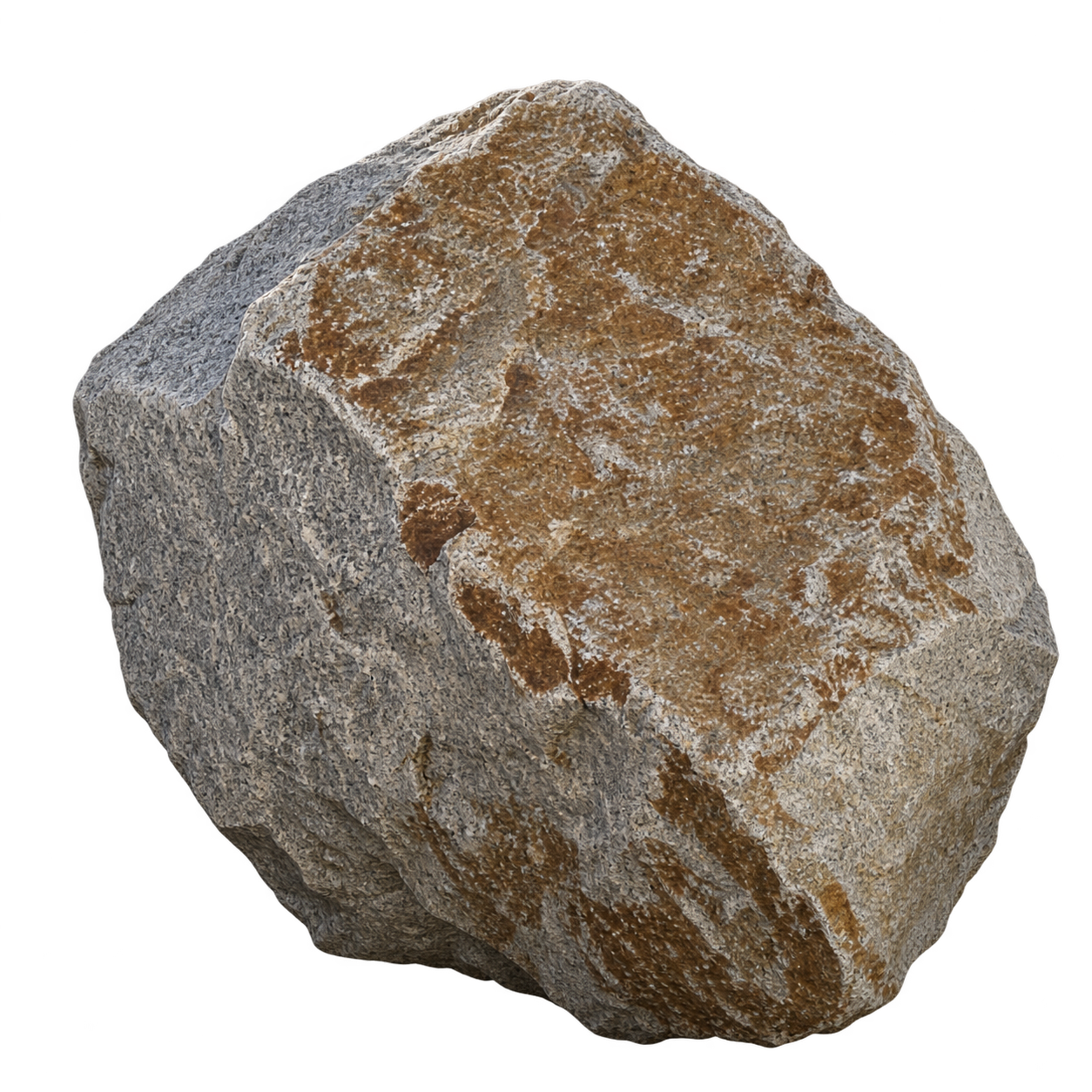
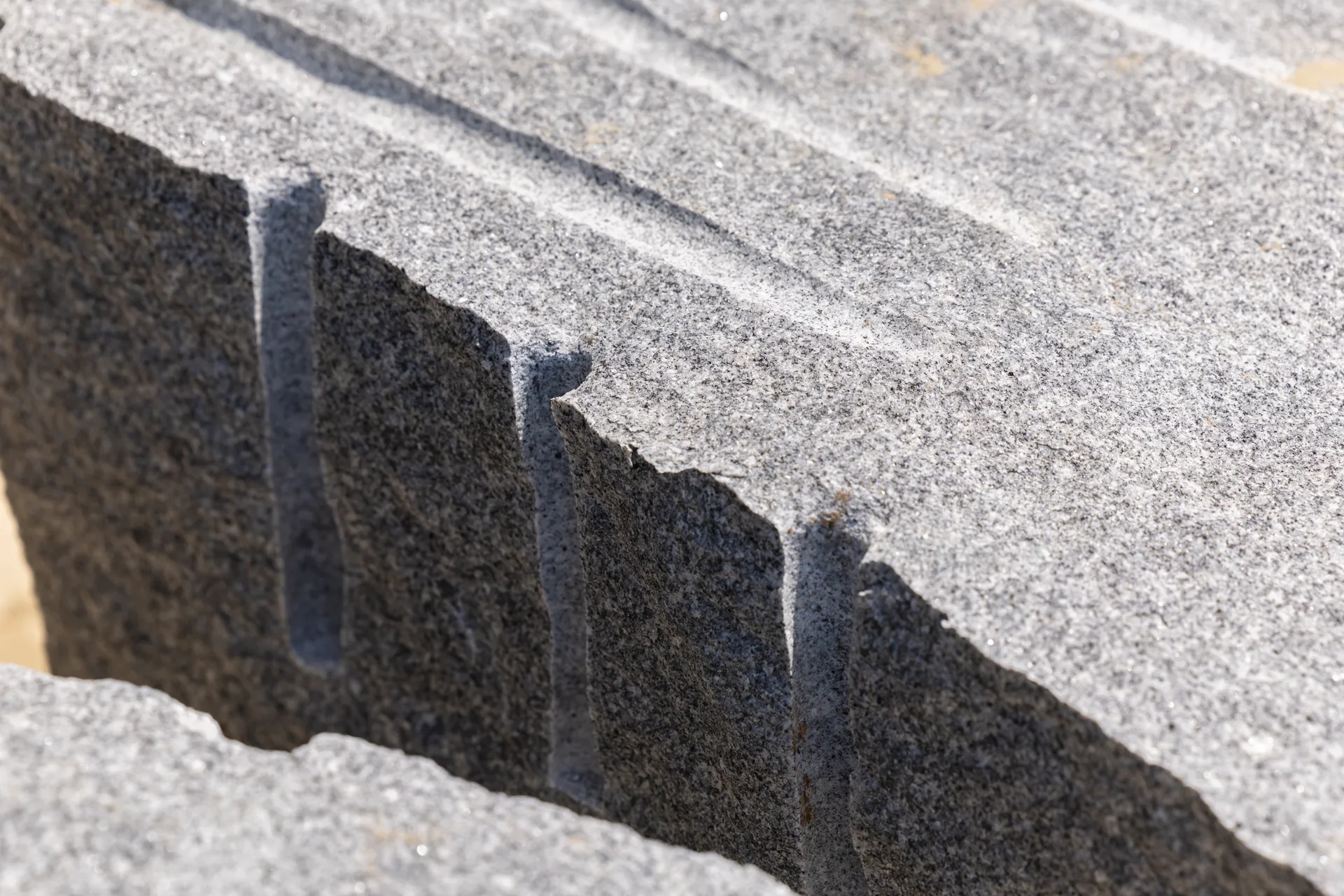
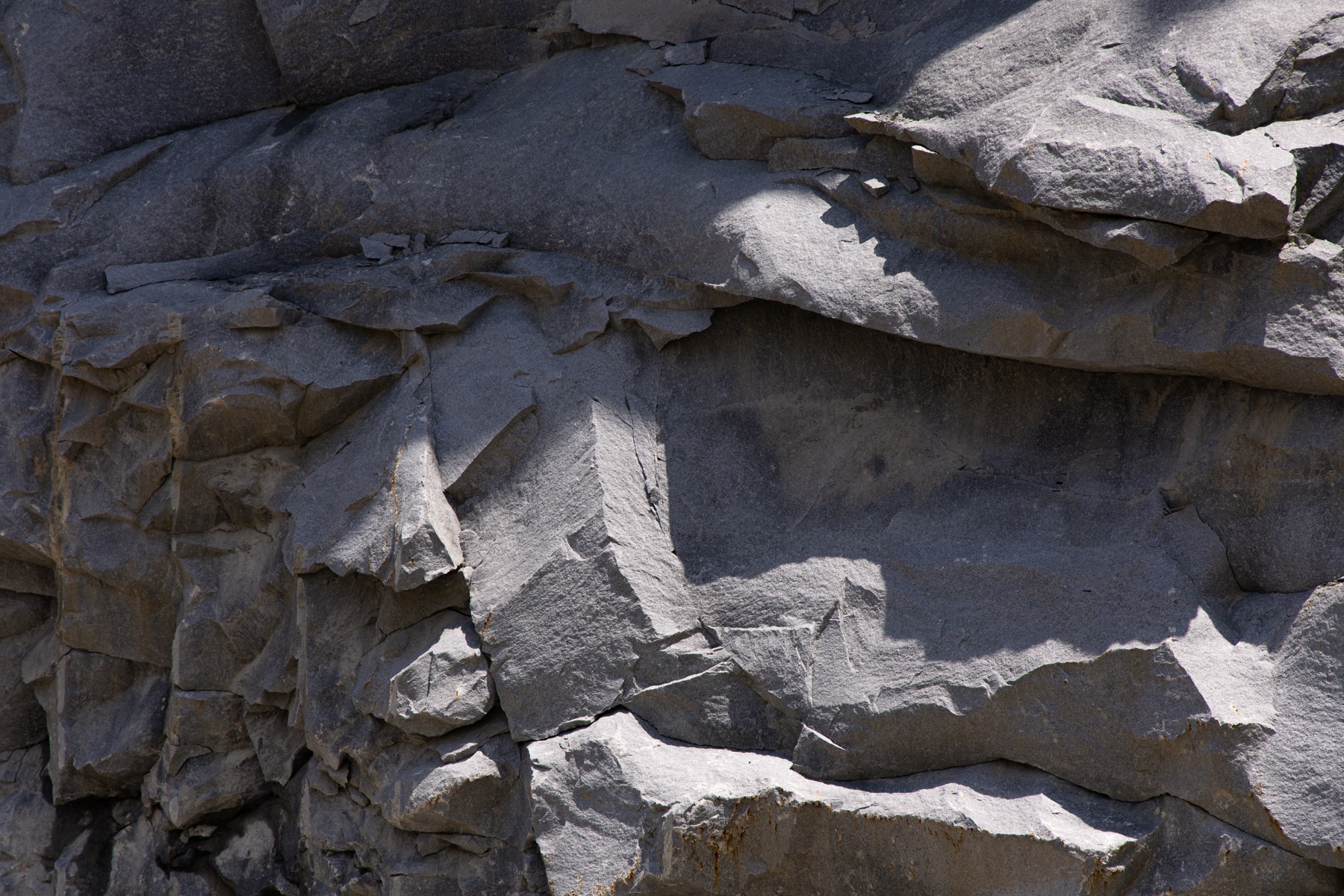
Light and shadow in a split face.
Natural relief becomes the expression: rugged, yet delicate.
MATERIAL / AJI STONE
Fine-grained granite from Aji and Mure, Kagawa.
A mountain landscape, held in a single stone.

THE DIAMOND OF GRANITE
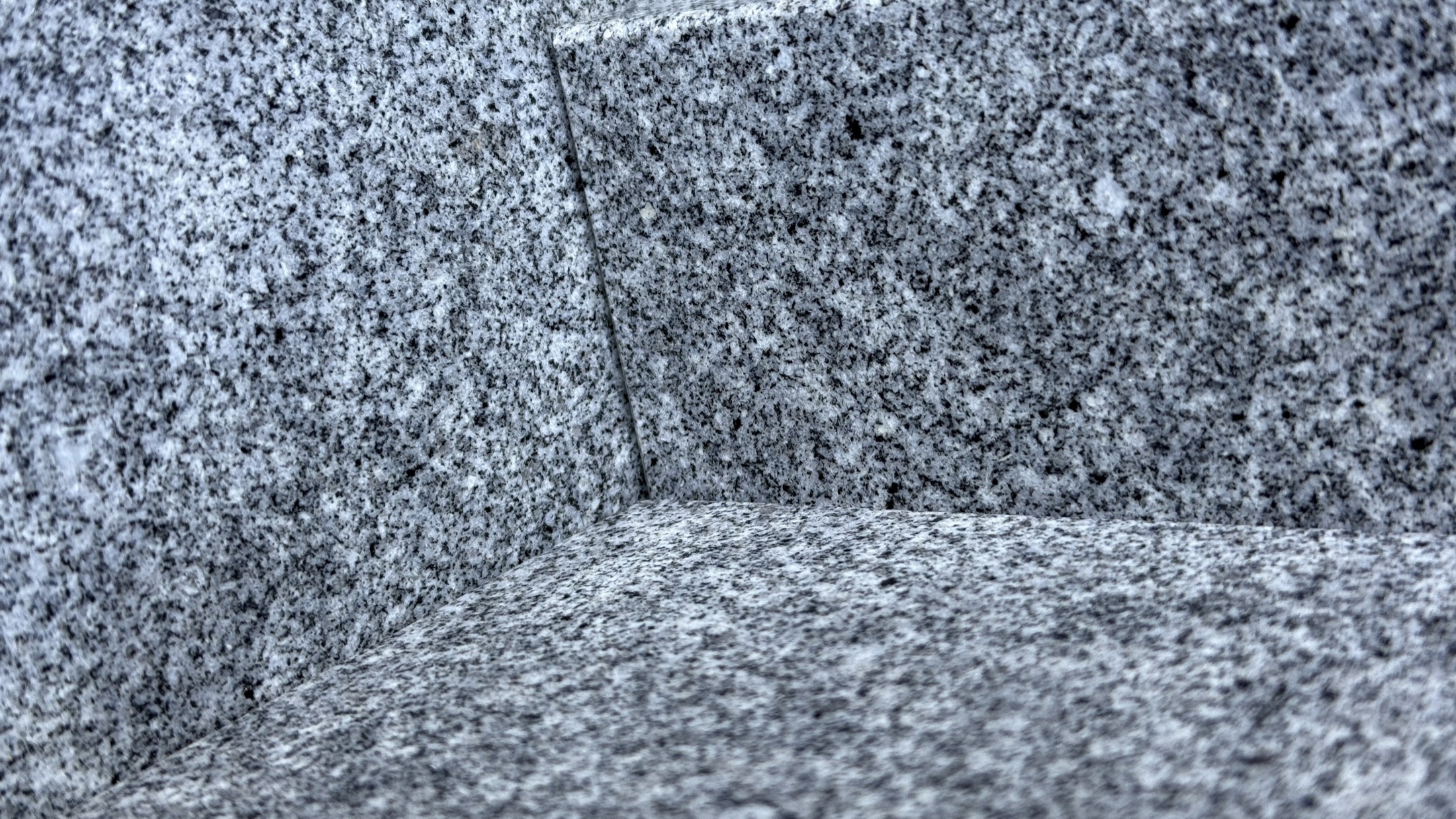
Closely interlocking crystals make a hard, weather-resistant stone. Polishing reveals fu mottling; splitting brings rich shadow.
Known as the “diamond of granite,” its beauty changes with the finish.
THE CHARACTER OF AJI
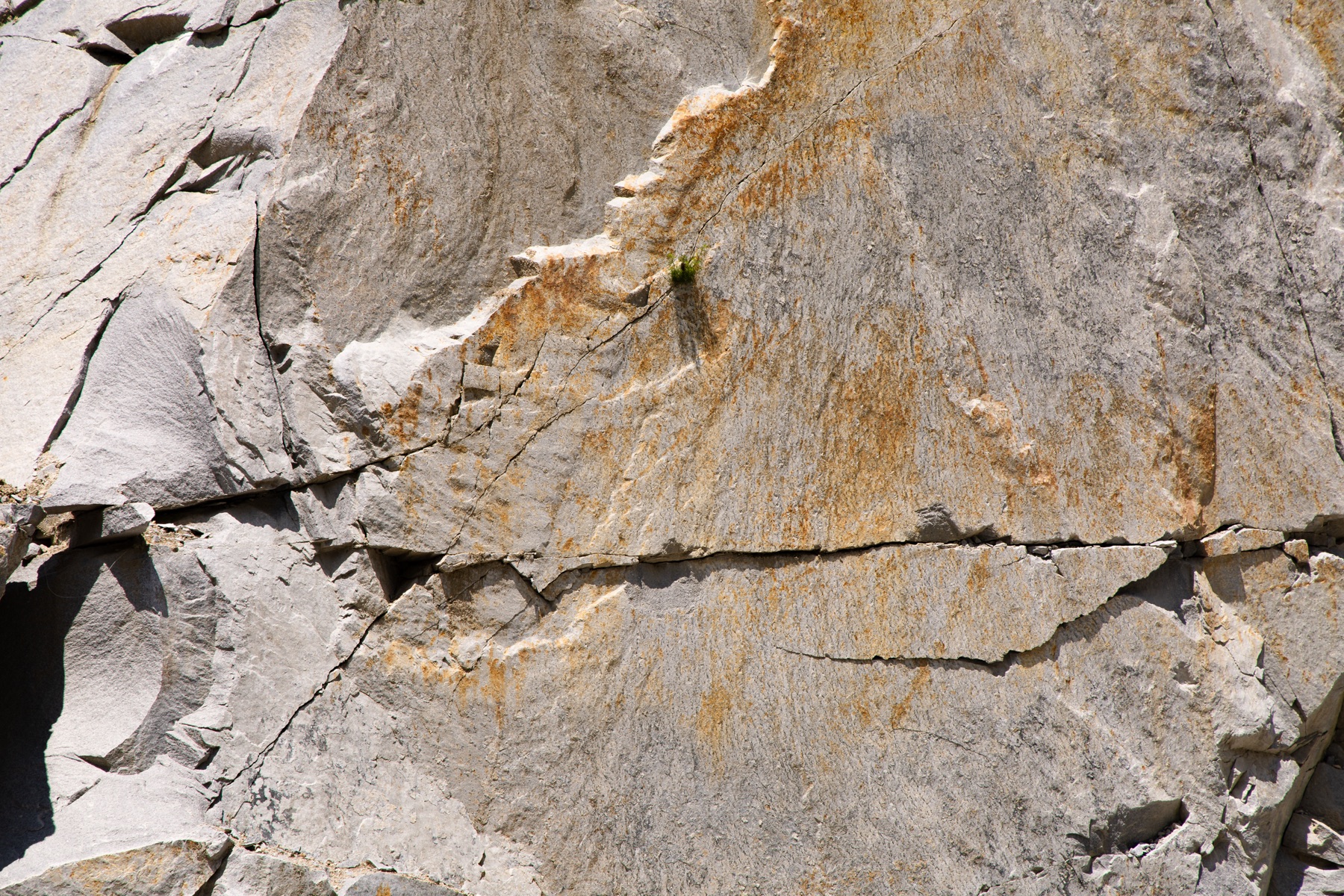

80 MILLION YEARS / ONE STONE
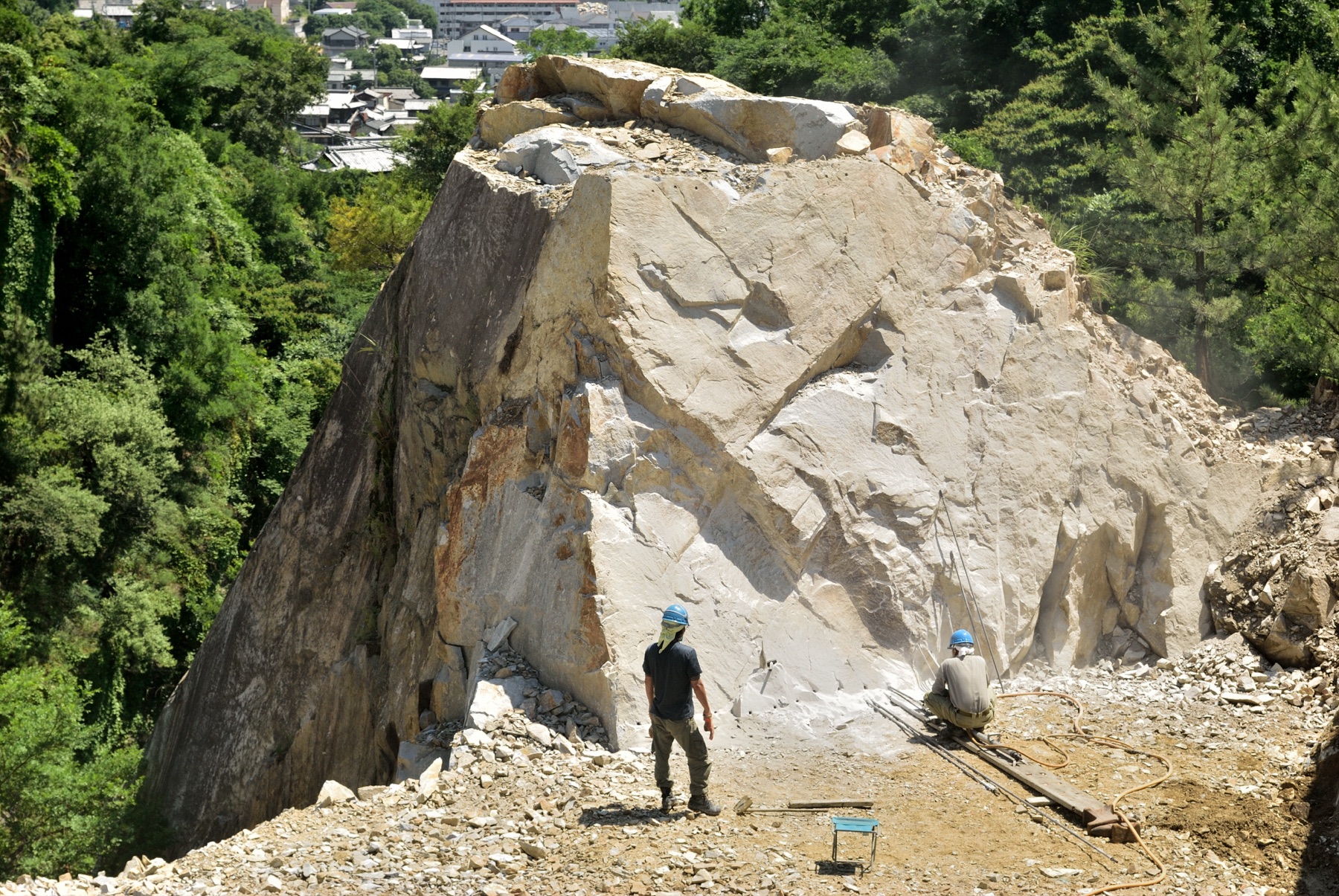
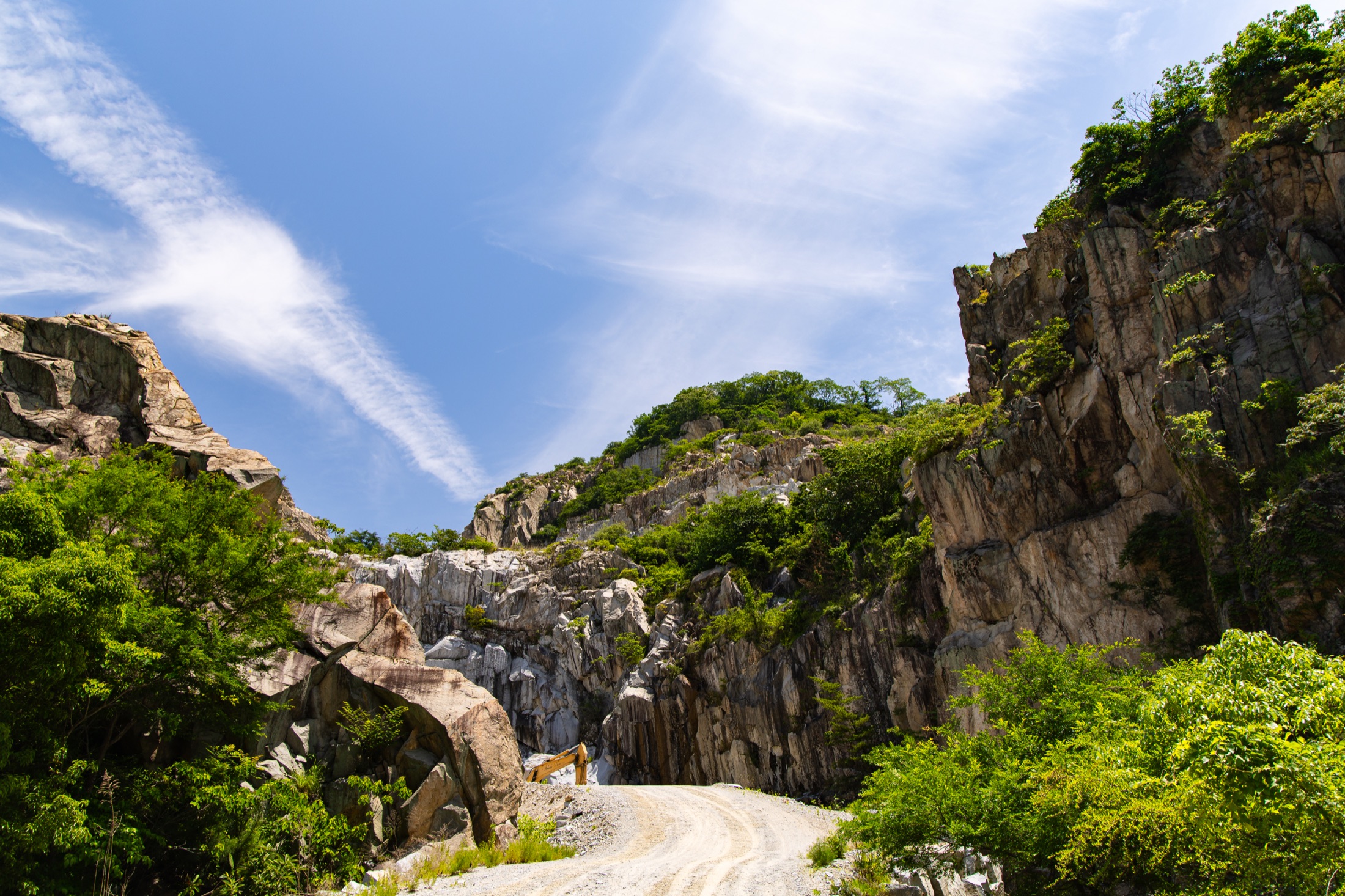
About 80 million years ago, magma cooled slowly underground, allowing crystals to grow into Aji stone. Uplift and erosion exposed the rock that we quarry today.
A stone holds more than colour and pattern. Bringing this natural material into a space also brings an immense history into everyday life.
Read how stone formsSELECTED FROM THE MOUNTAIN
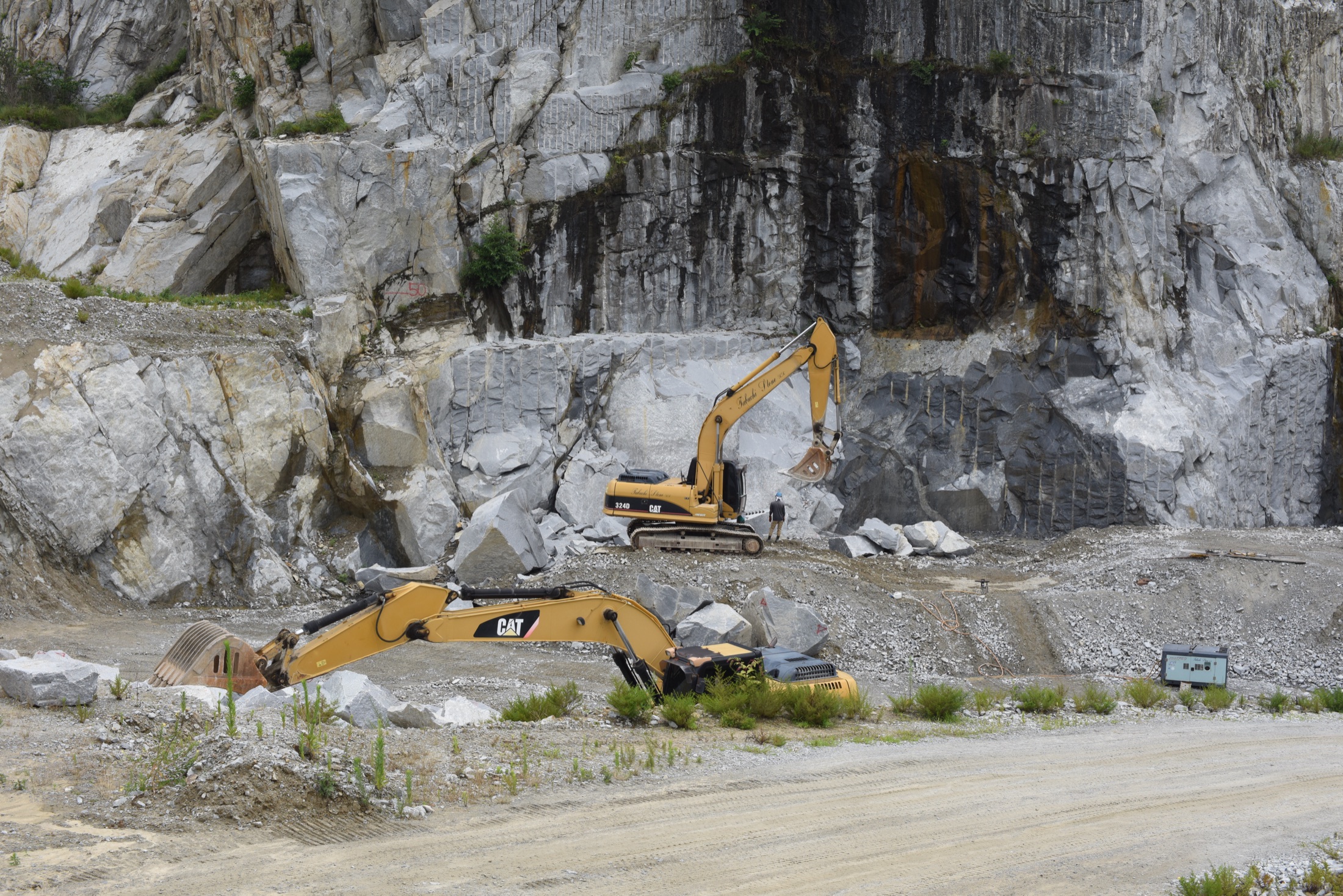
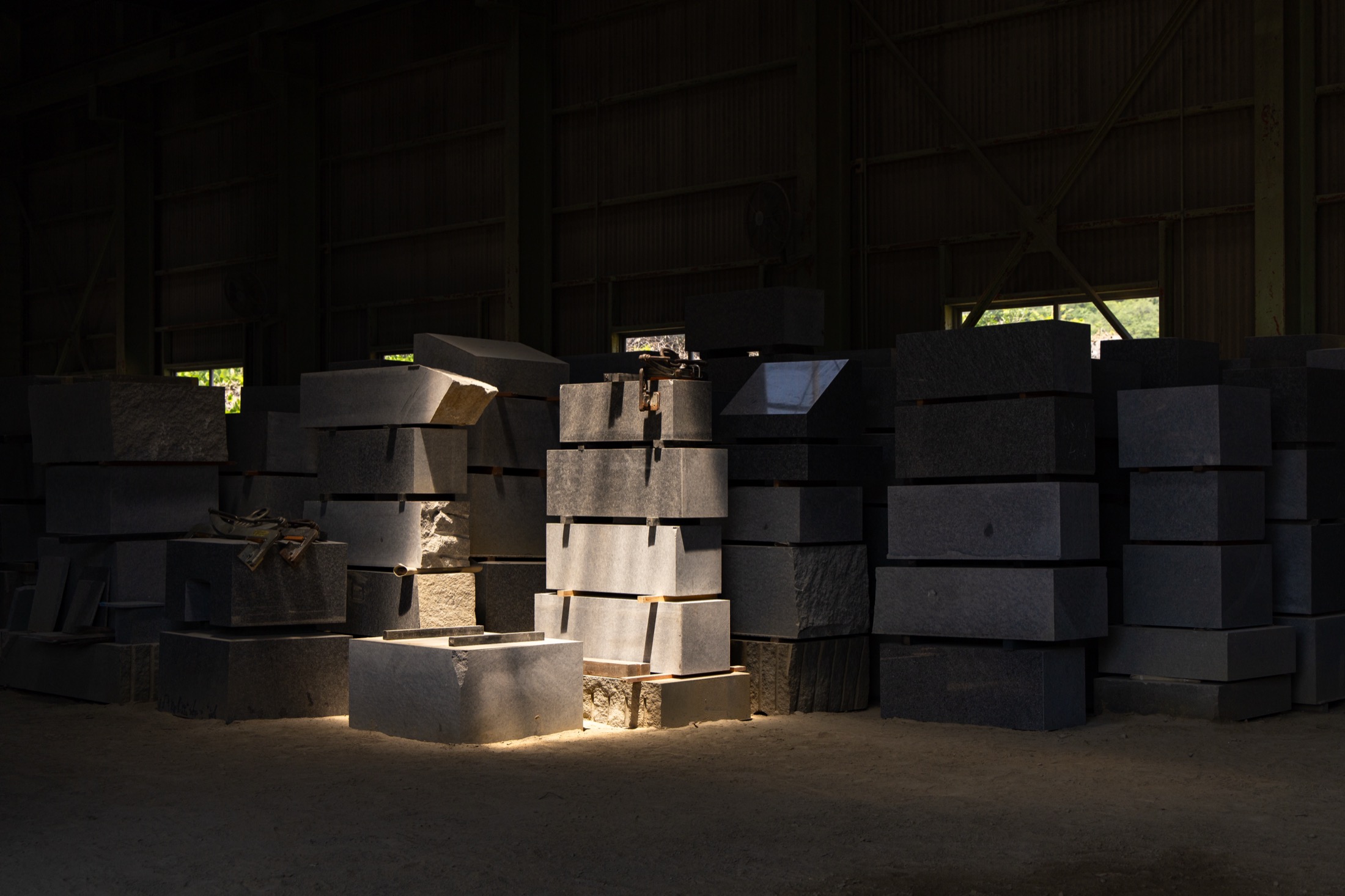
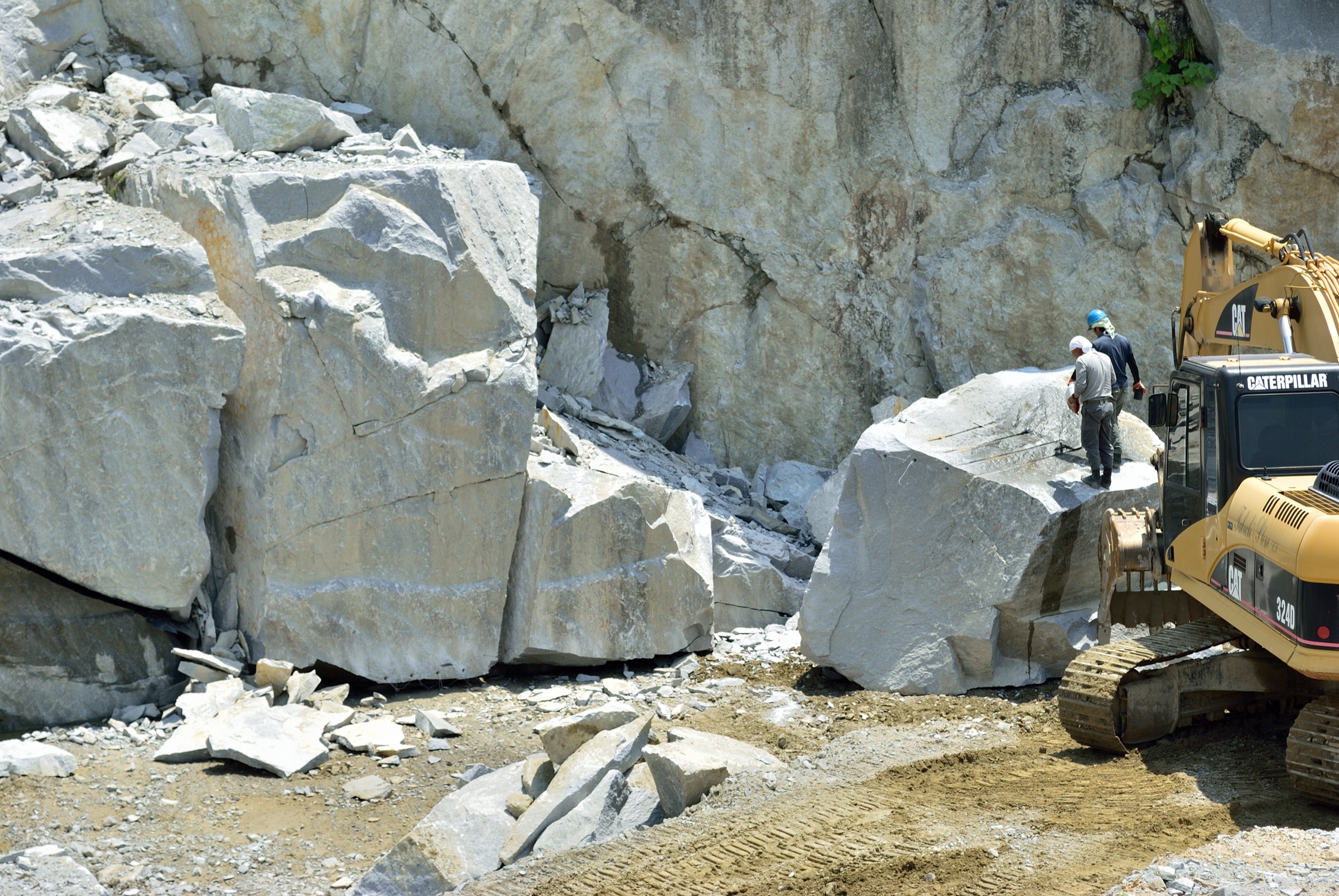
Extracted stone is assessed for defects, fractures, dimensions and grain. Character varies within the mountain, and only some pieces meet the requirements of a particular product.
Why only a few tonnes may be selected from 100.AJI / MURE — MANY HANDS, ONE STONE
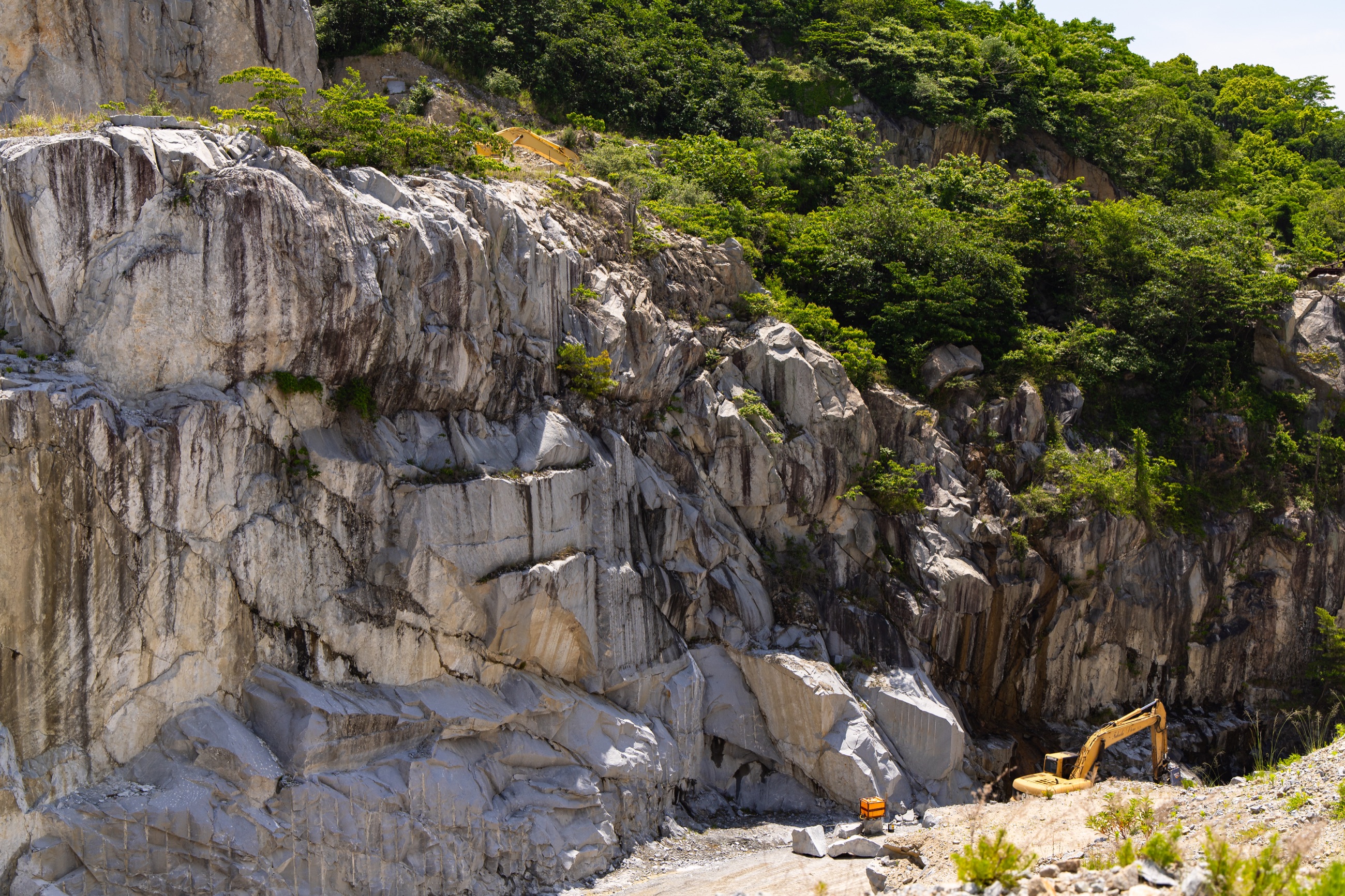
As of 2026, more than 200 stone-related businesses are based in Aji and Mure, Takamatsu, close to the quarries. Alongside Makabe in Ibaraki and Okazaki in Aichi, this is one of Japan’s three major stoneworking centres.
Quarriers, cutters, carvers and finishers each bring their own expertise. Work passes from hand to hand to create a single piece. Aji stone’s character comes not only from the mountain, but from this community of specialists.
A LIVING TRADITION
The history of Aji stone quarrying is traced back to the Heian period. It is associated with the construction of Takamatsu Castle beginning in 1588 and developed further as a quarry serving the Takamatsu domain in the Edo period.
Tools have changed, but the eye that reads the stone and the hand that checks its finish remain essential. Skills passed down over centuries now reach architecture, gardens and interiors.
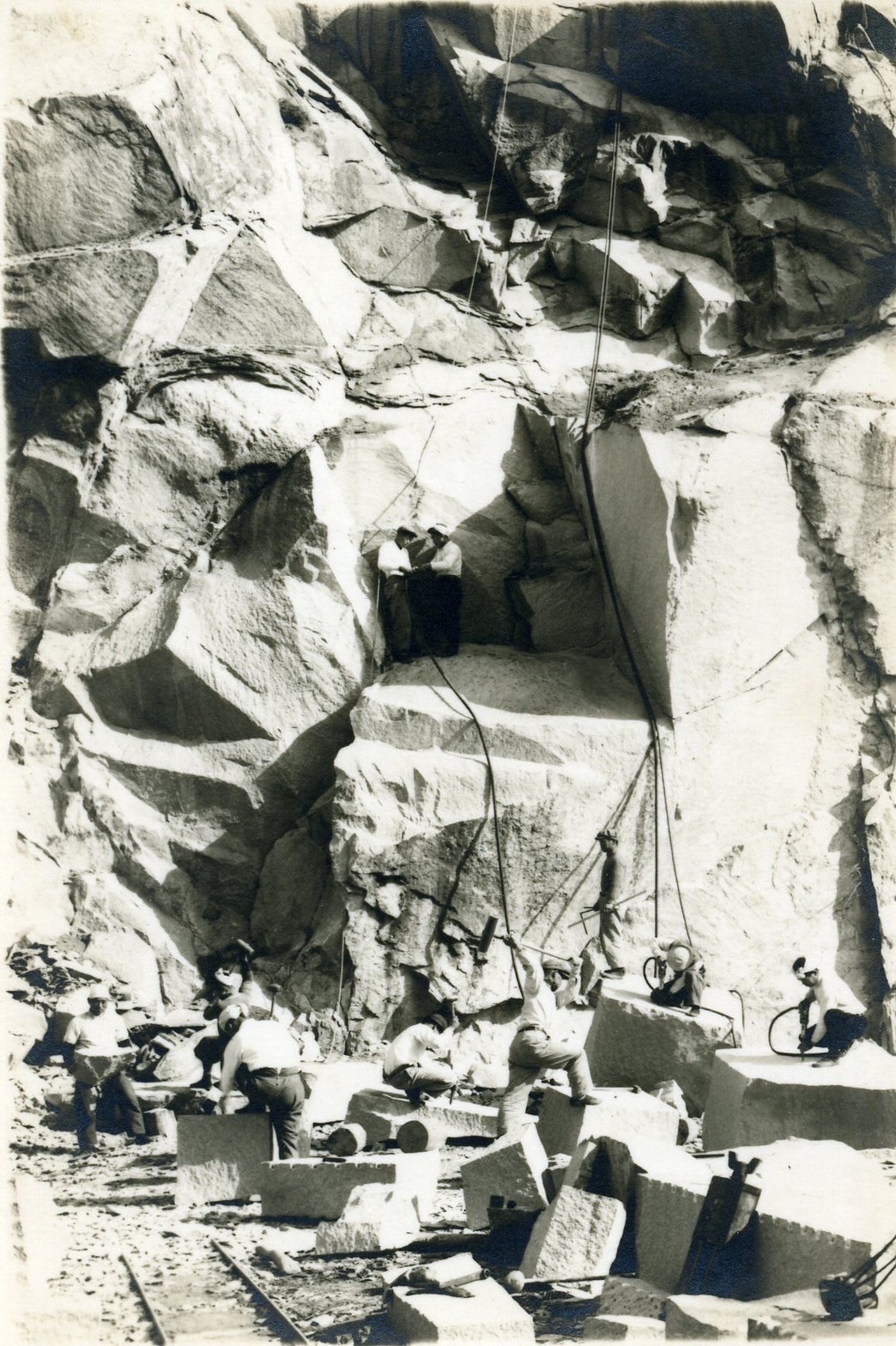
OOCHOUBA / 大丁場
A chōba is a place where stone is quarried. Northwest of Mount Goken, Oochouba has a history of supplying stone to the Matsudaira family of the Takamatsu domain during the Edo period. Its stone was used for work on Takamatsu Castle, as well as gravestones and lanterns associated with the domain’s lords.
According to the quarry operator’s account, the site passed to the Ōkubo family of the former Takamatsu domain after the abolition of the domains in the Meiji era; the name Oochouba came into use around that time. Reading the mountain, selecting stone and passing it to the next craftsperson remain living work here.

FROM HAND TO HAND
Quarrying, splitting, sawing, carving, finishing and installation: specialists collaborate to make a piece. This is a typical sequence; the steps vary with its intended use and finish.
Reading grain and fractures, quarriers select and extract a block from the mountain.
Rows of drilled holes receive wedges. The stone is split along its grain into workable blocks.
Diamond saws cut the block to the required dimensions and thickness, with attention to the grain.
Machines and chisels shape outlines and details, from lantern components to architectural elements.
Polishing reveals mottling; tooling creates texture. Each finish responds to light, touch and setting.
Finished pieces travel to the site, where careful positioning and fitting bring the work into the space.
A stone from the mountain becomes part of a garden or building. A new chapter begins in everyday life.
NO TWO ALIKE
Grain, mottling and weathering vary. Together, we look at the actual stone to find the piece that belongs in your space.



TEXTURES